 Song cupboard
3
Song cupboard
3
Ring
ding dong Johnny
Risha, rasha, rusha
Shady
Grove
Sing
ivy
Shortnin' bread
Someone’s
in the kitchen with Dinah
Song of the Delhi Tongawallah
Susie,
little Susie
The bird song
The cockle gatherer
The jackfish
The old woman and her pig
The lion is king of the jungle
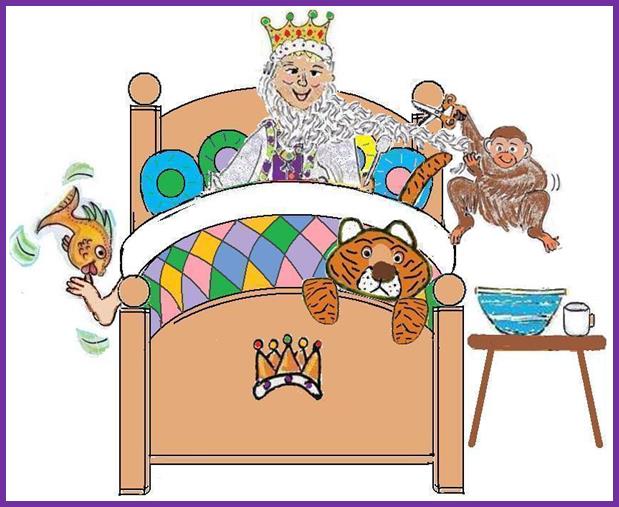
The poor king
The shiny little house
The spinning song
The tailor and the mouse
The Tottenham toad
The worm song
There once was a sow
There’s a fox in a box
There’s someone living on a big
high hill
Walking
through the jungle
What
shall we do with the old sow’s hide?
When
I first came to this land
Wim wim wobble-O
Last updated: 6/30/2015
4:28 PM
The songs below are part of ‘Away we
go’
compiled, adapted and illustrated by Dany Rosevear
Return to the ‘Singing games for
children’ home
 To listen to music from these
songs click on O
To listen to music from these
songs click on O
To watch the
author sing a song click on the title at:
© Dany Rosevear 2008 All rights reserved
You
are free to copy, distribute, display and perform these works under the
following conditions:
·
you must give the original author credit
·
you may not use this work for commercial purposes
·
for any re-use or distribution, you must make clear to others the
licence terms of this work
·
any of these can be waived if you get permission from the copyright
holder
Your
fair use and other rights are no way affected by the above.
|
Another song that tells the
story of Noah and the flood. This one is from the BBC
television’s Music Time Spring 1983. Move around the room at different speeds – quickly each time the
chorus is sung, more slowly for each verse.
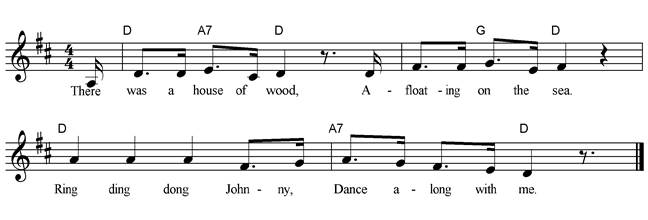
There
was a house of wood A-floating
on the sea. Ring ding dong Johnny, Dance along with me. The rain had caused a
flood, There was no land to see. Ring ding dong... And every kind of beast Had joined the company. Ring ding dong... And Noah steered the ark, A brave old man was he. Ring ding dong... And when the floods had gone They landed cheerfully. Ring ding dong... . |
|
This was translated by Mabel
F. Wilson from words by G. Götze and the
music is by G. Falke 1853-1916,
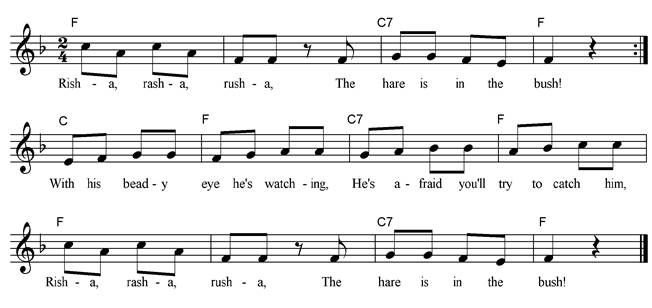
Risha, rasha, rusha, The hare is in the bush! Risha, rasha, rusha, The hare is in the bush! With his beady eye he’s
watching, He’s afraid you’ll try to
catch him, Risha, rasha, rusha, The hare is in the bush! Risha, rasha, rusha, The hare is in the house!
... Quickly run and catch his
tail Before he’s off o’er hill
and dale, Risha, rasha, rusha, The hare is in the house! Risha, rasha, rusha, Oh have you caught him
yet? ... What, he’s run into the
meadow? Oh, you are a silly
fellow! Risha, rasha, rusha, Oh have you caught him
yet? . |
|
There are many versions of
this song; The words of this one with slight changes come from ‘What the
children sing’ harmonised by Alfred Moffat and was
published around 1915.
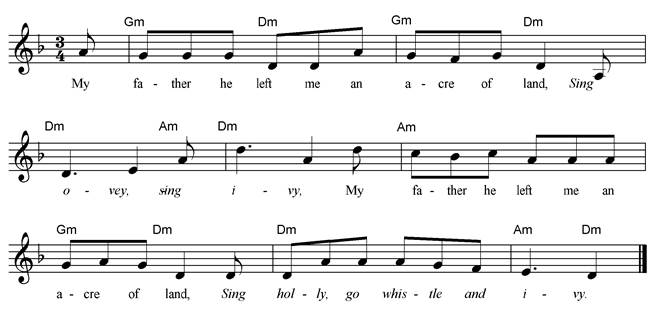
My father he left me an
acre of land, Sing ovey,
sing ivy. My father he left me an
acre of land, Sing holly, go whistle and
ivy. I ploughed it one morning with a ram's horn, Sing ovey,
sing ivy. I sowed it all over with two pepper corns, Sing holly, go whistle and
ivy. I harrowed it next with a bramble bush... And reaped it all with my little penknife... The little mice carried it into the barn... I threshed it there with a fine goose quill... The cat she carried it into the mill... The miller he said that he’d work with a will... . |
|
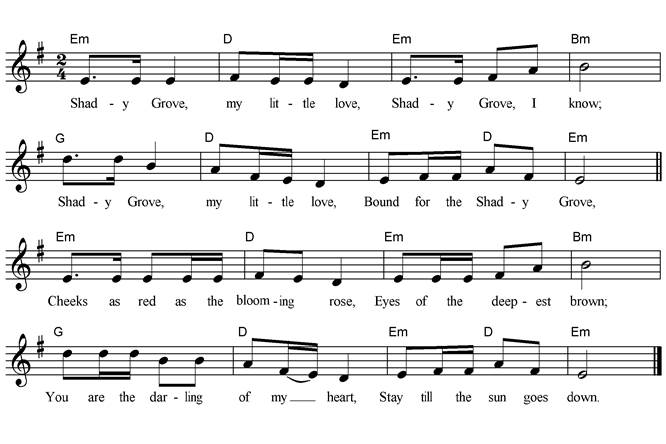
A traditional North American song that I enjoyed singing in the 1960s.
|

|
Shady Grove my little love Shady Grove I know; Shady Grove my little love, Bound for the Shady Grove. Cheeks as red as a blooming rose, Eyes are the deepest brown; You are the darling of my heart, Stay till the sun goes down. Went to see my Shady Grove, She was standing in the door, Shoes and stockings in her hand, Little bare feet on the floor. Wish I had a big fine horse, And corn to feed him on, Pretty little girl stay at home, Feed him when I'm gone. |
|
This children’s folk song with its great rhythm was regularly sung in UK classrooms in the 1960s and 70s. I taught in Handsworth, Birmingham around this time and with its wonderful swing was very popular with the second generation children of West Indian immigrants in my classes. It also featured in BBC radio’s Autumn term 1965 Time and Tune, albeit with one verse and chorus. Find more about the origins
of this lively song at: http://pancocojams.blogspot.co.uk/2014/07/versions-of-shortnin-bread-1900-1950.html
|
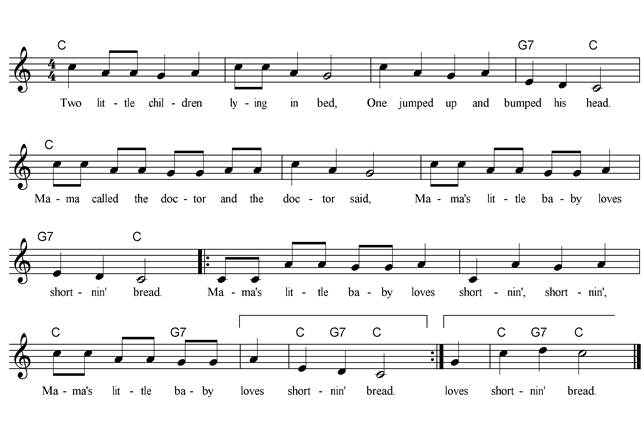
Two little children lying in
bed,
One jumped up and bumped his
head.
Mama called the doctor and the
doctor said,
Mama's little baby loves shortnin' bread.
Mama's little baby loves shortnin', shortnin',
Mama's little baby loves shortnin' bread,
Mama's little baby loves shortnin', shortnin',
Mama's little baby loves shortnin' bread.
Put on the skillet, put on the
lead,
Mama's gonna
make a little shortnin' bread.
That ain't
all she's gonna do,
Mama's gonna
make a little coffee too.
|
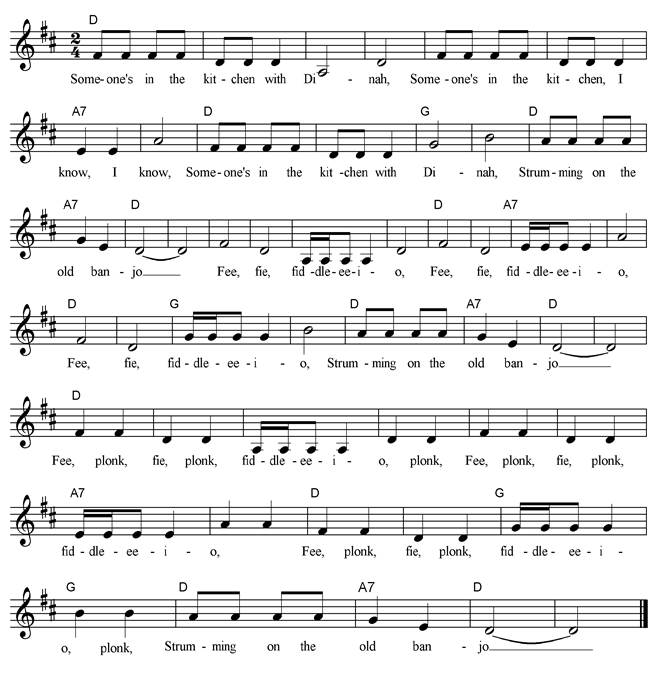
A popular summer camp song
in the English speaking world. Children love songs with
nonsense words and phrases and even the youngest will pick up the words of
the chorus quickly. If you’re feeling very brave
add an extra verse: Fee, plonk ting, fie, plonk ting, fiddle-ee-i-o, plonk ting,
|
||||||||||||
|
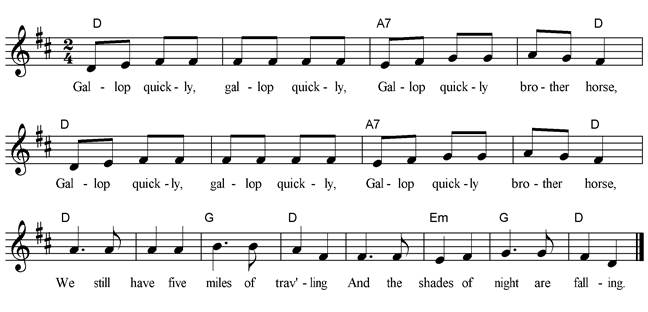
A Hindustani folk song. A
Delhi tongawallah drives a horse and cart. This translation can be found
in ‘The Ditty Bag’ compiled by Jane E. Tobbit and
written for the Girl Guides in 1946. Move around the room at different speeds – quickly each time the
chorus is sung and more slowly for each verse.
Gallop
quickly, gallop quickly, Gallop
quickly brother horse. Gallop
quickly, gallop quickly, Gallop
quickly brother horse We have still five miles of travelling And the shades of night are falling. If cruel robber do waylay us, What to do then? What to do then? Grain and grass be yours in plenty If we get home quickly, horse. |
|
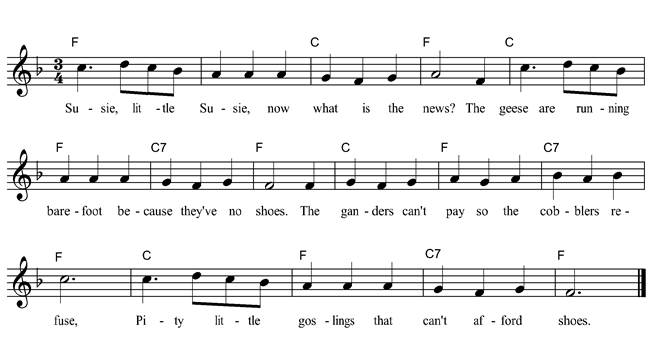
This German folk song is a cradle song from the 17th
century from Lower Saxony ‘Suse, liebe Suse’ and is about desperation and poverty of the times. It later became
familiar as a children’s song in the USA. Probably bought over by German
settlers. This version is taken from this source. Humperdink used it in 1893 at the
beginning of his opera Hansel and Gretel. I also came across a version ‘Susy little Susy’ in BBC radio’s Time
and Tune; Spring 1966. |
|
Susie, little Susie, now what is the news? The geese are going barefoot because they've no shoes. The gander can’t pay, so the cobblers refuse, Pity little goslings that can’t afford shoes. Susie, little Susie, some pennies I pray, To buy a little supper of sugar and whey, I'll sell my nice bed and go sleep on the straw, Where feathers do not tickle and mice do not gnaw. Eia-popeia, what is to be done? Who'll give me milk and eggs, for bread I have none? I'll go back to bed and I'll lie there all day, If there's nothing for to eat then there’s nothing to pay. |
|
There are many
more verses to this song about courting. |
|
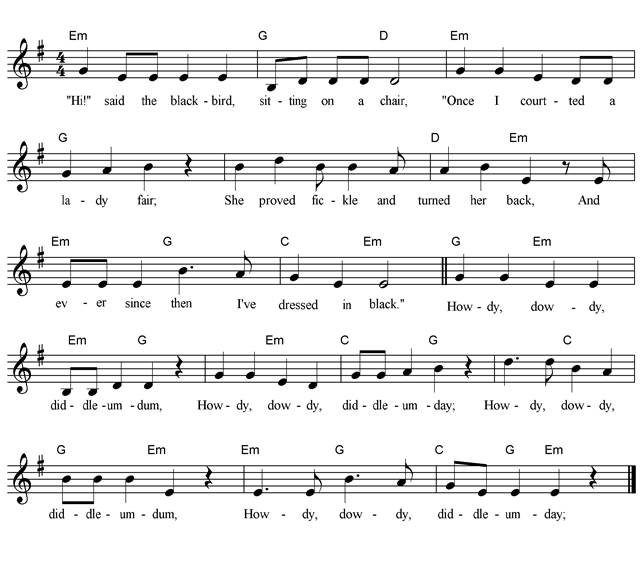
"Hi!" said the
blackbird, sitting on a chair, "Once I courted a lady
fair, She proved fickle and turned
her back, And ever since then I've
dressed in black." Chorus: Howdy dowdy diddle-um-dum, Howdy dowdy diddle-um-day, Howdy dowdy diddle-um-dum, Howdy dowdy diddle-um-day. "Hi!" said the blue
jay and away he flew, "If I were a young man
I'd have two; If one proved fickle and
chanced to go, I'd have another string to my
bow." "Hi!" said the
little leather-winged bat, "I will tell you the
reason that, The reason that I fly by
night, Is because I lost my heart's
delight." "Hi!" said the
robin, with a little squirm, "I wish I had a great big
worm; I’d fly away into my nest; I have a wife I think is
best." |
|
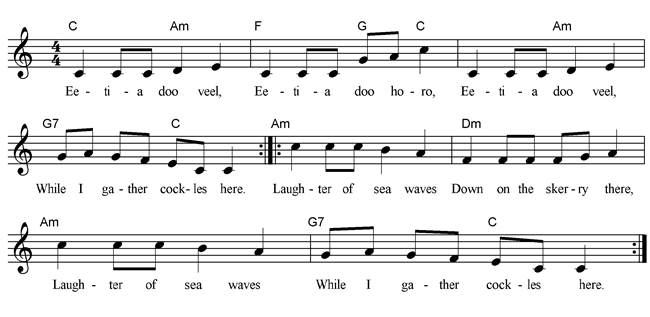
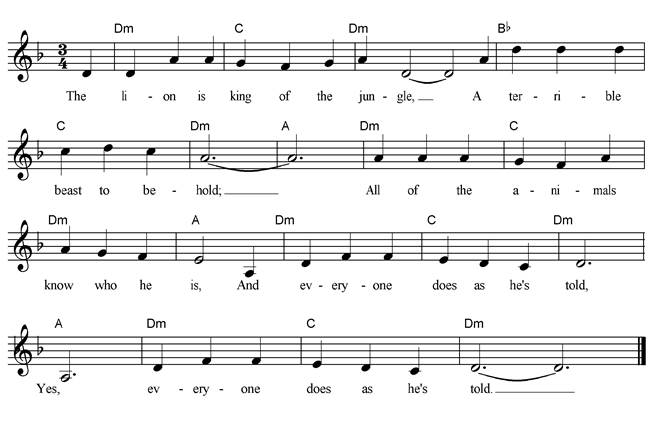
A song from the Hebrides
made famous by Kenneth McKellar. I came across it on the BBC radio programme Music Box in the 1980s
|
|
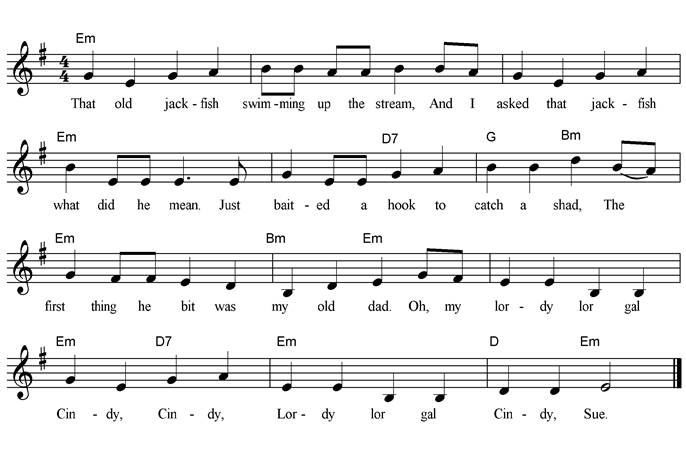
A traditional song from Virginia. Find out more at: http://patmccaskey.com/jackfish-952 |

|
That old Jackfish swimming up the stream, I asked that Jackfish what did he mean. Just baited a hook to catch a shad, The first thing he bit was my old Dad. Chorus: Oh, my lordy lor
gal, Cindy, Cindy, Lordy lor gal, Cindy Sue. Fishpole broke and I got mad, And down to the bottom went old Dad. I grabbed that Jackfish by the snout, And turned that Jackfish wrong side out. |
|
A song from the 1970s.
Words and music by Christopher Rowe.
|
|
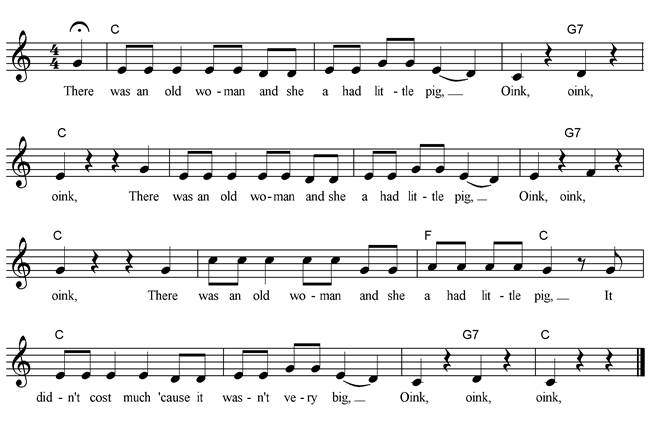
This is a traditional
Appalachian song but the words here were written by Jean Gilbert and are more
suitable for young children who will love making the piggy noises.You
can easily find the macabre version on the internet.
|
|
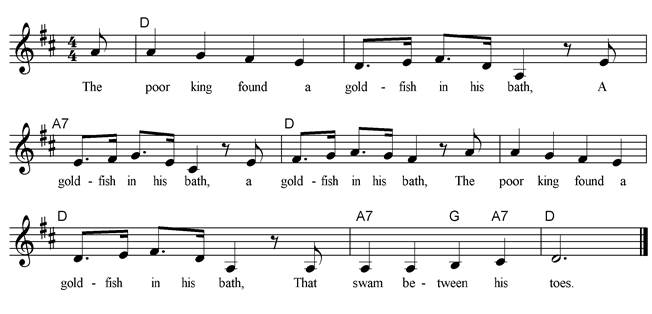
The words of this song are
by Chris Green. The words are ideal for making up your own crazy verses.
|
|
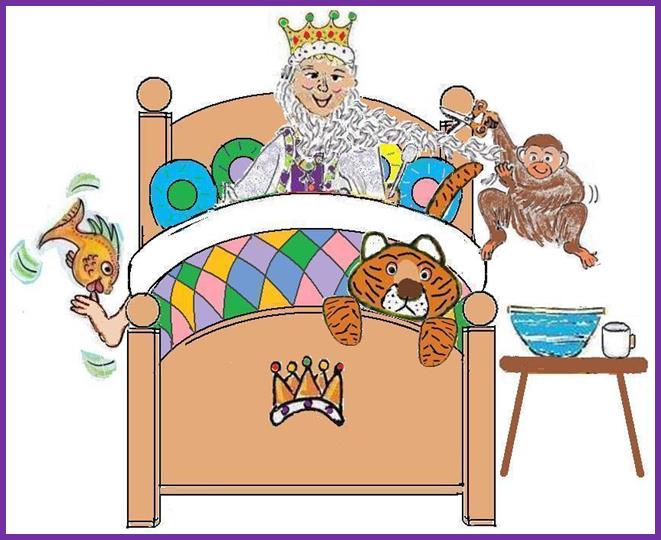
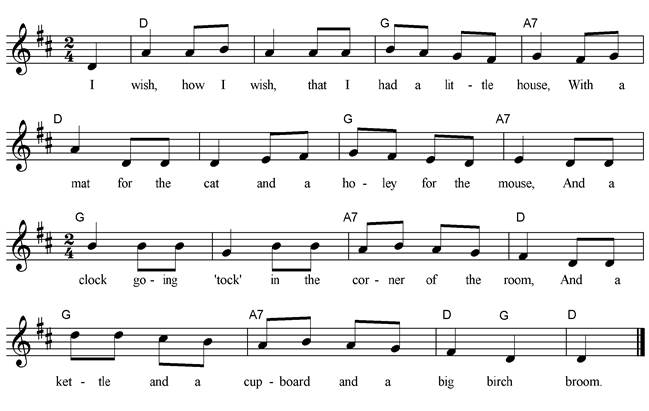
The shiny little house O A poem by Nancy
M Hayes. One set firmly in the past!
|
|
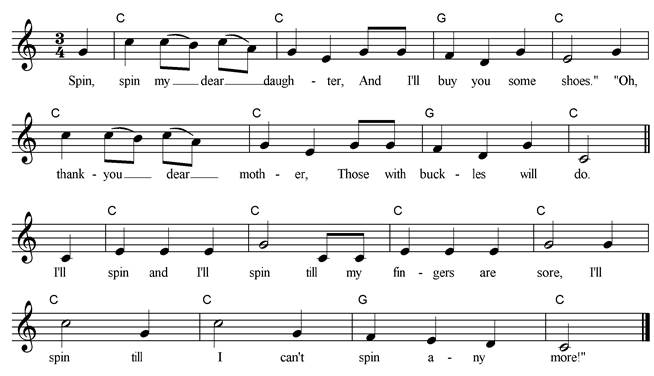
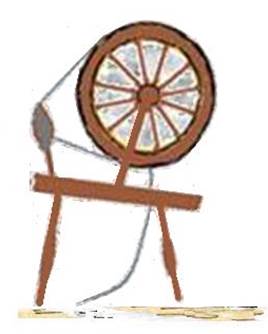
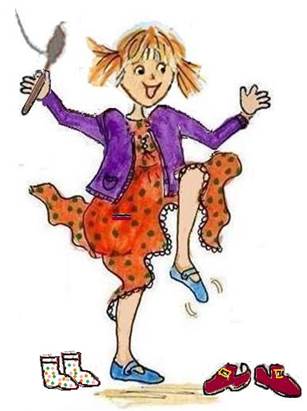
This can be heard in the
Dutch, German (Spinn,
spinn, meine liebe Tochter) and Scandinavian tradition with many variations. Most of the chorus’s
translate as: ‘But I can't keep
spinning My finger is hurting! It's sore, it's sore! I'll spin no more.’ But I have always been familiar
with the chorus below. Have a go at making up new rhyming
verses. The verses below are my own.
|
|||||||||||||
|
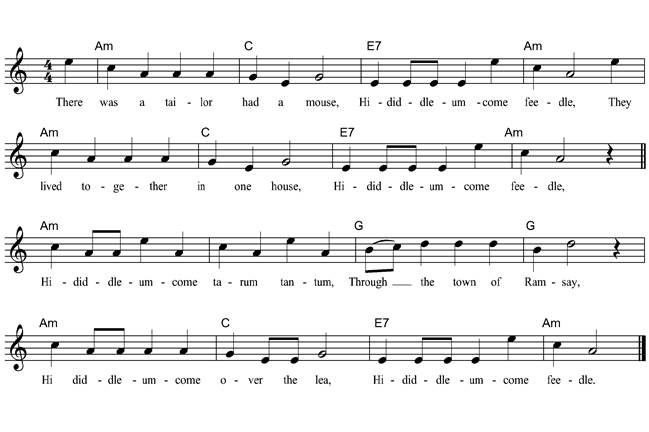
This may well be familiar to some as ‘Uncle Feedle’
from Bagpuss which was adapted by Sandra Kerr from
this traditional source. The
version below is adapted from Cecil Sharp and Baring Gould's English Folk Songs for Schools; it has a
kinder ending! Another verse from
the wonderful Alan Mill’s 1956 Folk songs for young folk ‘Animals’ album
goes: The mouse ran here the mouse ran there… Until he tripped and fell
downstairs… |
|
There was a tailor had a mouse, Hi-diddle-um-come feedle, They lived together in one house, Hi-diddle-um-come feedle. Chorus Hi-diddle-um-come, tarum tantum, Through the town of Ramsey, Hi-diddle-um-come over the lea, Hi-diddle-um-come feedle. The tailor thought the mouse was ill, Hi-diddle-um-come feedle, Because he took an awful chill, Hi-diddle-um-come feedle. The tailor thought his mouse would die, Hi-diddle-um-come feedle, He baked him in an apple pie, Hi-diddle-um-come feedle. The pie was cut, the mouse ran out, Hi-diddle-um-come feedle, The tailor chased him all about, Hi-diddle-um-come feedle. The tailor gave him catnip tea, Hi-diddle-um-come feedle, Until a healthy mouse was he, Hi-diddle-um-come feedle. |
|
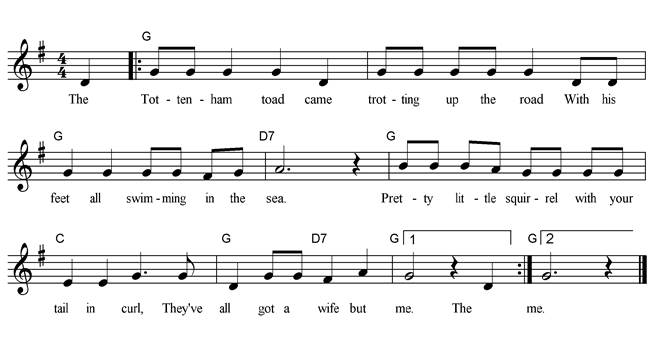
This nonsense game collected by Cecil Sharp has a cheerful steady beat
and would work well when accompanied by percussion instruments. It also lends itself to moving about the room in different ways;
running up the road, skipping…, jumping… - ask children for suggestions! |
|
The Tottenham toad came trotting up the
road With his feet all swimming in the sea. Pretty little squirrel with your tail in curl, They’ve all got a wife but me. |
|
Sometimes called ‘The hermaphrodite song’ as worms are hermaphroditic
like slugs - but it still takes two to tango! I first came across this song in ‘Sing a Merry Song’ by William Clauson and Basil Swift published in 1962. In 1975 it was published in ‘Sing’ by the
Australian Broadcasting Commission - I picked up a copy recently in a charity
shop in England! |
|
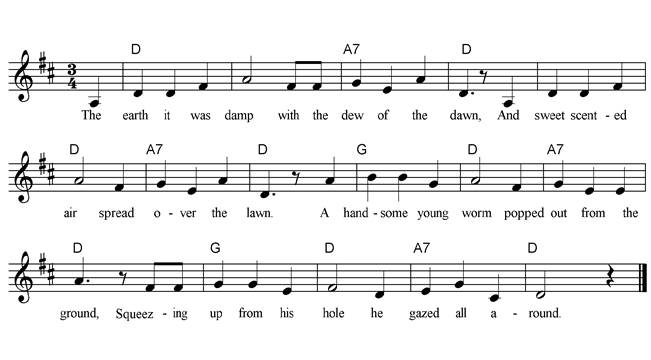
The earth it was damp with the dew of the dawn, And sweet scented air spread over the lawn, A handsome young worm popped out from the ground, Looking up from his hole, he gazed all around. Just then as he stared at the sun in the sky, Another little worm popped up quite nearby, Said the first with a squiggle, “You’re a trim little worm, Why not wriggle out here and we'll go for a squirm?” “If you'd only agree to a brief rendezvous, I would love to surrender my heart just for you, I would build you a home and I'd treat you with care, And happy we'd be as the birds in the air!” Then the trim little worm gave a shake of its head, As it sadly replied, “I would love to be wed, But I fear we can't marry, though I know you'd be true, For you see Mr. Worm, I'm the other end of you!” |
|
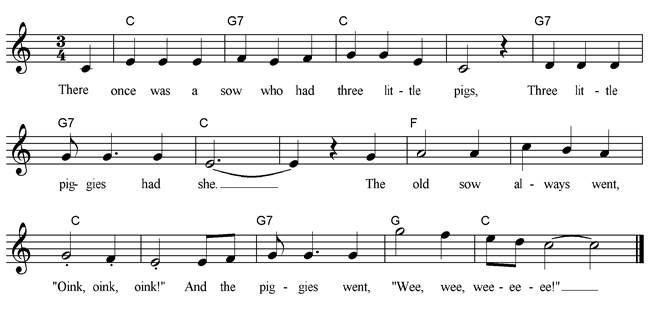
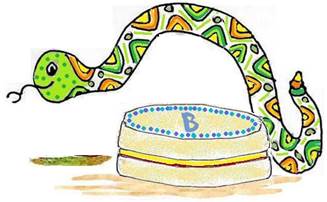
A very sad pig tale!
|
|
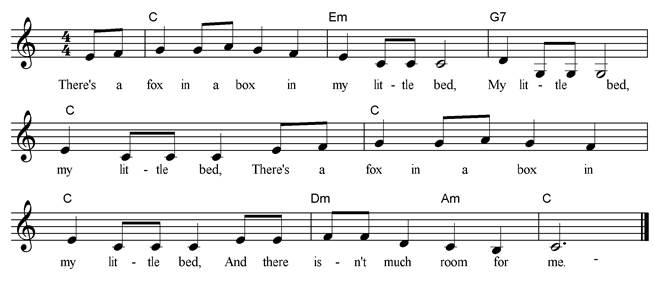
This song by Barbara Ireson has been adapted many times in my classrooms and
is there for adapting to your particular topic; the tune too has changed over
the years, many apologies Barbara. The main objectives are to
make up rhymes and of course have lots of fun while doing so.
|
|
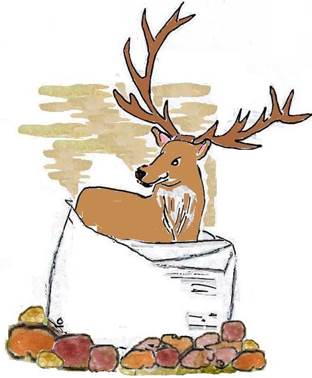
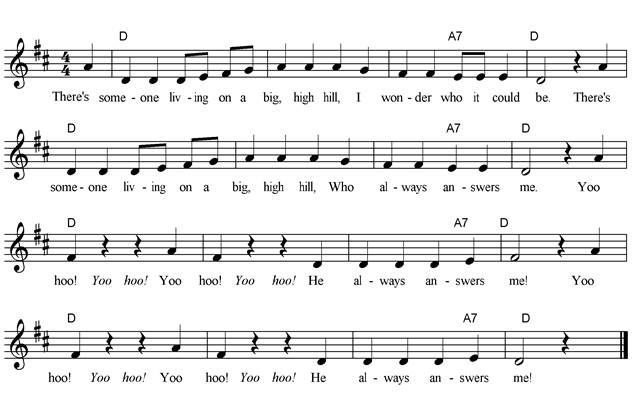
There’s someone
living on a big, high hill O
Sing high and low with this echo song by Henrietta
Clark. |

|
There’s someone living on a high, high hill, I wonder who it could be. There’s someone living on a high, high hill Who always answers me. Yoo hoo! Yoo hoo! S/he always answers me! Yoo hoo! Yoo hoo! S/he always answers me! |
|
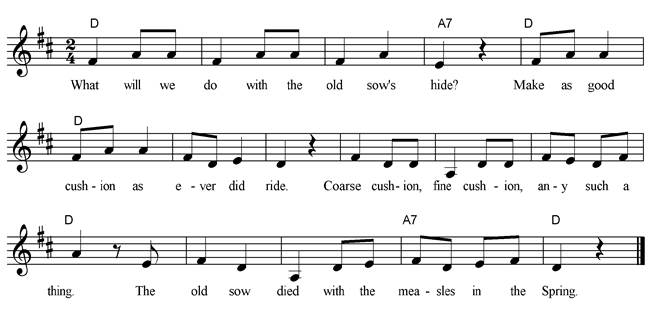
A folk song from the U.S.A.
What
shall we do with the old sow's hide? Make
a good cushion as ever did ride. Coarse
cushion, fine cushion, any such a thing, What
shall we do with the old sow's feet? Make
a good pickles as ever was eat. Coarse
pickles, fine pickles, any such a thing, The
old sow died of the measles in the spring! What
shall we do with the old sow's meat? Make
a good bacon as ever was eat. Coarse
bacon, fine bacon, any such a thing, The
old sow died of the measles in the spring! What
shall we do with the old sow's tail? Make
a good whip as ever did sail. Coarse
whip, fine whip, any such a thing, The
old sow died of the measles in the spring! |
|
A great song for a rain
forest theme. Move individually in and out of each other
|



|
This is the version I’ve
sung in schools since the 1970s It is easy for children to pick up as the
verses are cumulative.
|

|
(The
foolish boy) Find this version in Traditional Nursery Rhymes by John Graham, it has
been slightly adapted below. You can find many more versions of this song including
the Opie’s ’The ploughboy
in luck’ at http://mudcat.org/thread.cfm?threadid=56919. |

|
My father died, I don’t know how, He left me six horses to follow the plough. Chorus With a wim, wim,
wobble-O, Strim-strim-strobble-O, Bubble-o, pretty boy, over the brow. I sold the horses and bought me a cow, But how for to milk her I didn't know how. So I sold the cow and bought me a calf, I never made a bargain but I lost the better half. I sold my calf and bought me a pig, The poor little thing it never grew big. I sold my pig and bought me a hen, To lay me an egg every now and then. I sold that hen and bought me a cat, The pretty little creature by the chimney corner sat. I sold the cat and bought a mouse, It set fire to its tail and it burnt down the house. I sold my mouse and bought me a mole, Darned old thing went straight down its hole! |
Return to the ‘Singing games for
children’ home